Pages

Showing posts with label Science. Show all posts

Monday, 8 November 2021

Forest Biome - Science


  • The forest biome divides into temperate forests, rainforests, and taiga forests. 

  • There are a large variety of animals, plants, and insects that inhabit that forest biome.
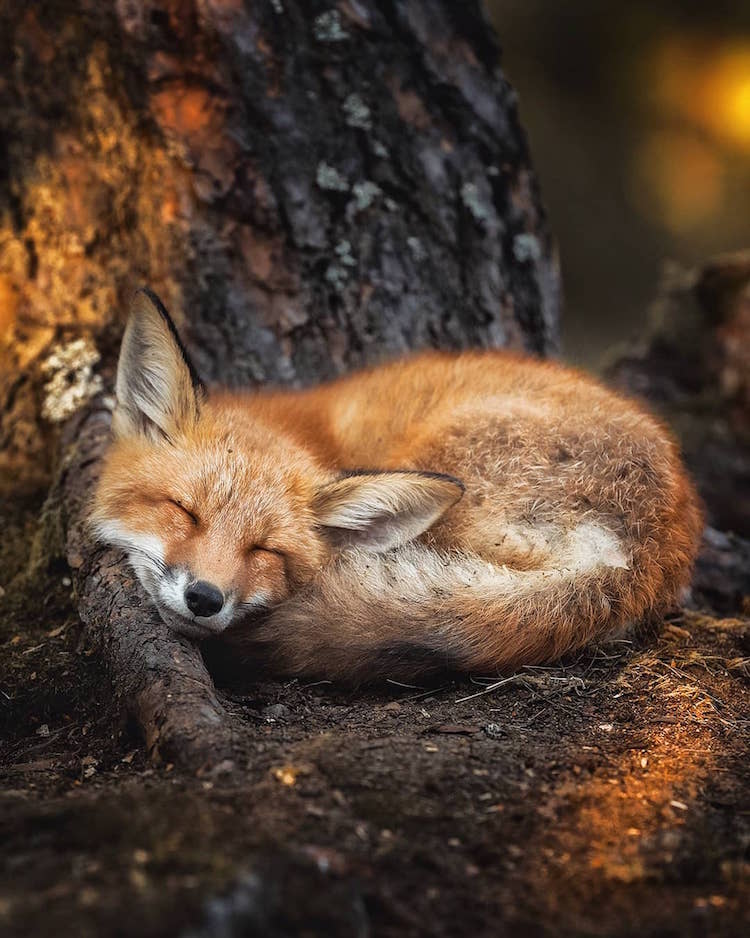


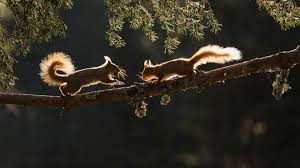
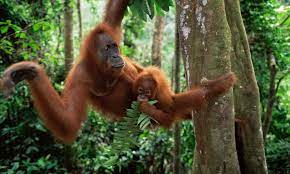
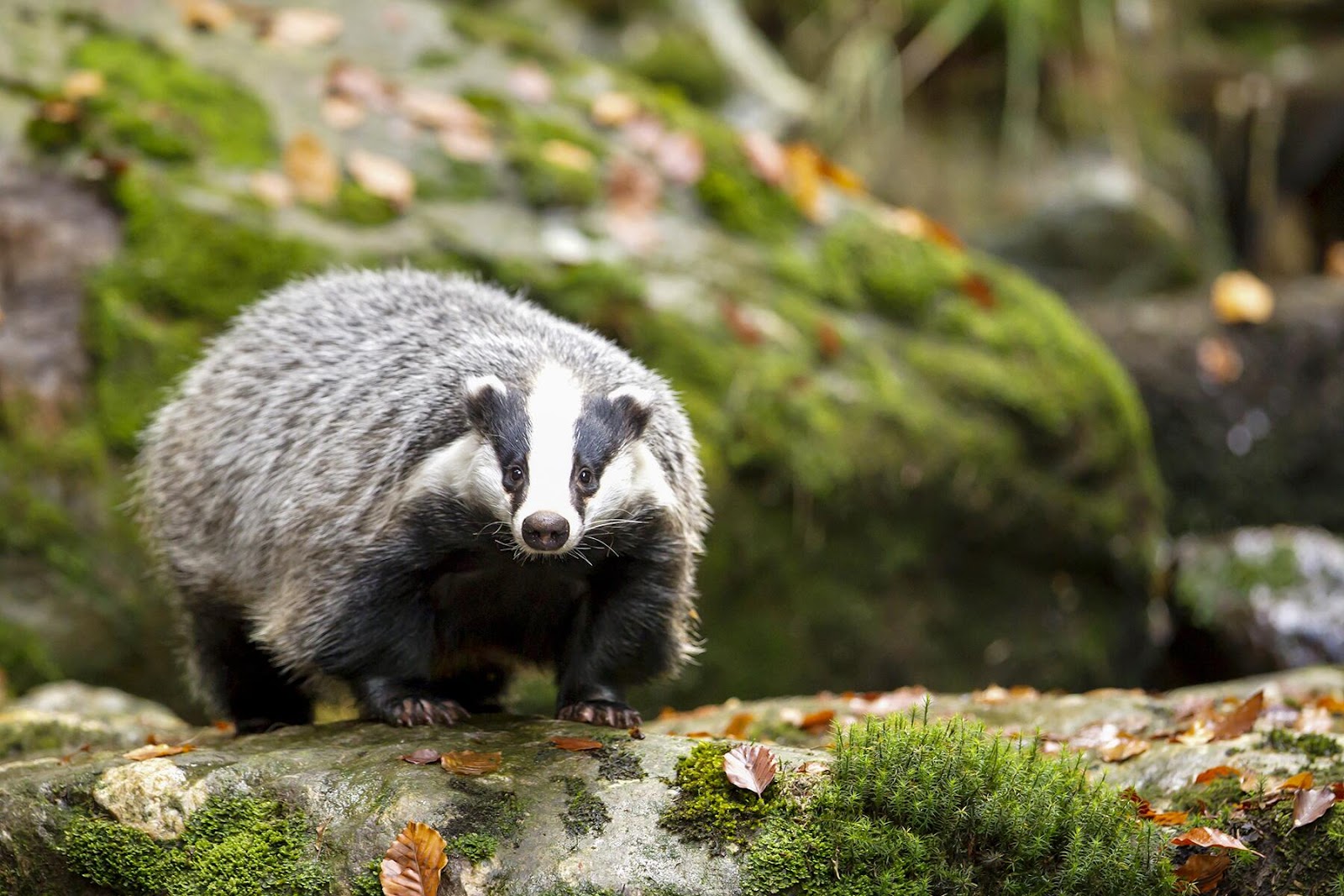
Photographer Captures Enchanting Photos of Finland's Forest AnimalsForest Animals: 9 Animals Adapted to Forest Life - Woodland TrustLiving among the trees: Five animals that depend on forests | Stories | WWF10 Woodland Creatures As Characters You'll Meet on Your Journey Through the  German ForestDeer In Forest High Resolution Stock Photography and Images - Alamy

Fox, Squirrel, Orangutan, Skunk, Wild Deer.


Task Description: Greetings Viewers, This is the last and final Science task for the day. This is the Forest Biome which shares information about it and the main animals that live there. This Biome consists of temperate forests, rainforests, and taiga forests. there is an enormous population of animals, plants, and insects that Forest Biome. I hope you enjoy this science task because all five of them were made as an inspiration to encourage you blog more even in these times of covid 19. I wish you all a very good day in lockdown. Don't be shy to leave a positive comment on my blog.

Grassland Biome - Science


  • The grassland biome divides into temperate grasslands and savannas. 

  • The grassland biome consists of various types of grasses and small hills. It is not uncommon to find small trees in the grasslands.


Grassland Animals - Animal SakeBiodiversity in Grasslands Restored by Grazing Animals -- Environmental  ProtectionAnimals in Grassland Areas | Animals.mom.comGrasslands - Wild Earth News & Facts by World Animal FoundationGrasslands - NatureWorks

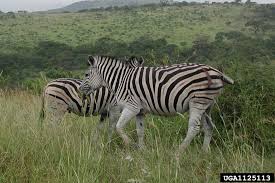
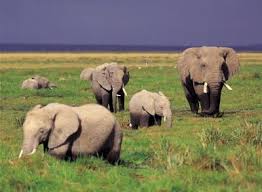
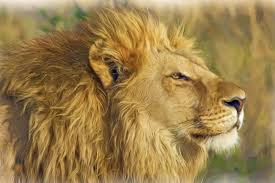
Leopard, Gazelle, Elephant, Lion, Zebra.


Task Description: Greetings, this science task talks about the Grassland Biome. This Biome is one that has land and savannas all around and with the large amount of grass that grows very long, which is an advantage for hunting animals as places to hide when they catch their prey. The Grassland Biome is very small hills, and it is very common to find small trees in the Grasslands.

I hope you enjoy reading about this wonderful project and if you do don't be shy to leave a positive comment on my blog.

Desert Biome - Science


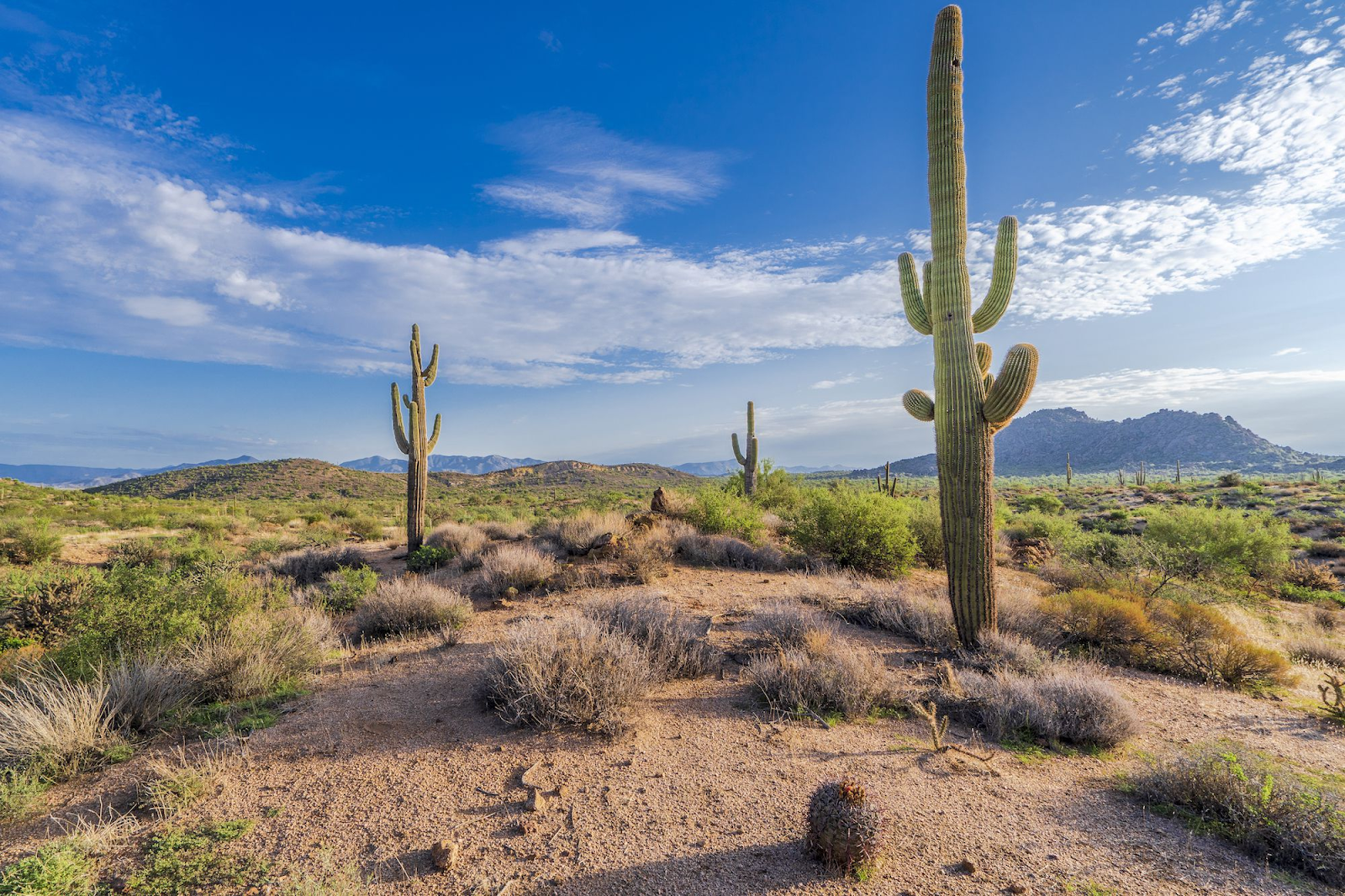
  • The main characteristic of the desert biome is the lack of / little vegetation. 

  • Deserts have a very hot or very cold climate. 

  • Deserts in Africa are very hot and humid. They receive very little rainfall and plants do not grow well. 


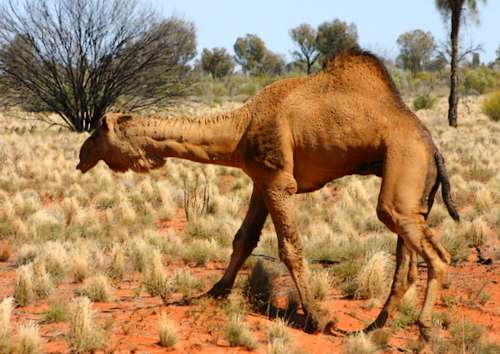
Desert animals for kidsTop 10 Amazingly Adaptive Sahara Desert Animals - The Mysterious WorldDesert animals for kidsaustralian-desert-animals-5 | Nature's CrusadersCold Desert Animals - Crimson Sands Tourism

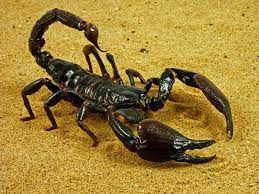
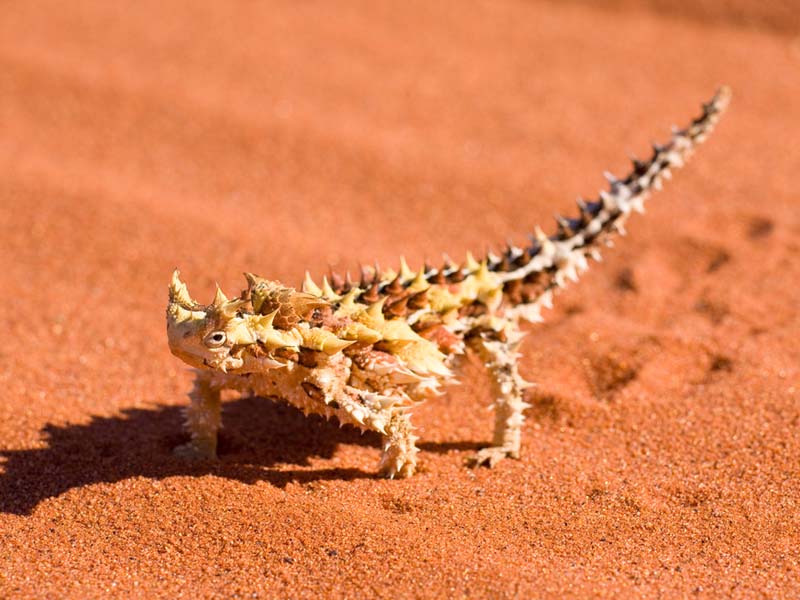
Scorpion, Snake, Lizard, Camel, Mice.


Task Description: Greetings, this is the third science task that I have completed for my learning. This task shows the animals that live in this kind of Biome.

This Biome is the Desert Biome which is the name of dry and sandy land with no sort of water around. some Deserts are a very cold and freezing climate, but the ones in the continent Africa are very hot and humid. I hope you enjoy today's science task and if you do don't forget to leave a positive comment on my blog.


Friday, 5 November 2021

Aquatic Biome - Science


  • Refers to the plants and animals that live in the water. 

  • The aquatic biome divides into freshwater and saltwater.

  • Freshwater biomes include ponds, lakes, streams, rivers, wetlands. 

  • Saltwater biomes include the ocean and estuaries.


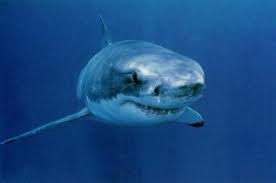
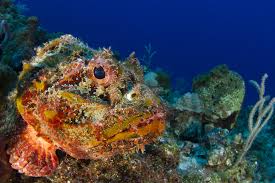
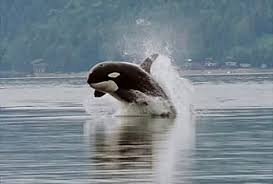
Science for Kids: Marine or Ocean BiomeThe Most Dangerous Ocean & Sea Animals - SurflineMarine life - WikipediaFreshwater Creatures | Ask A BiologistDepending on Clean Water: Five Freshwater Animals | Stories | WWFTypes of Animals in Freshwater biomes

Saltwater Shark, Saltwater Fish, Saltwater Whale.

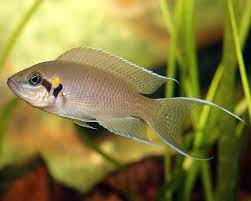
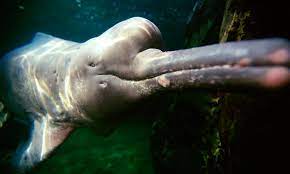
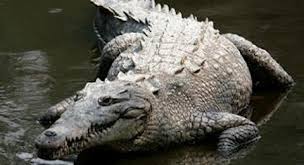
Freshwater Fish, Freshwater Dolphin, Freshwater Crocodile.


Task Description: Greetings, this is the second science task that give information about Biomes. This is the Aquatic Biome and this Biome covers 70% of earth.

The Aquatic Biome is made up of two habitats Freshwater habitats and Saltwater habitats. Each picture in this task shows the saltwater creatures and freshwater creatures. Us humans already have 70% water in ourselves, that is the cause of how much water we drink a day. For instance us humans can survive without water for 3 days straight anymore than that you will have serious problems and maybe heart disease or very dry skin from that lack of water. Now you know about how much we need water in our life and learning about many creatures that live in the Aquatic Biome. I hope you enjoy this Science task and don't forget to leave a positive comment on my blog.

Tundra Biome - Science


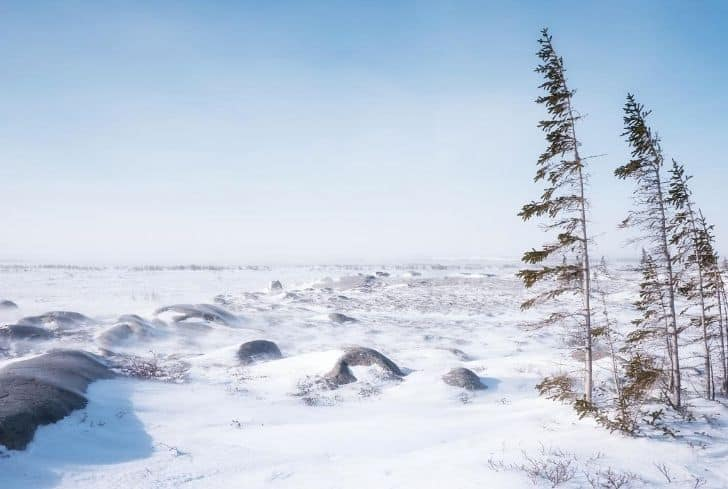
  • The tundra is the coldest of all the biomes. 

  • The tundra biome receives little rain—even less than the desert. 

  • Temperatures are very cold/frigid in the tundra biome. 

  • Plants and animals that live in the tundra have adapted to the harsh climate.


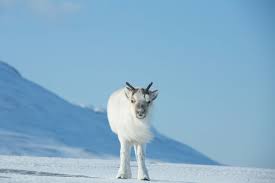
Animals - THE TUNDRA BIOMEArctic Tundra Animals - Animal Sake


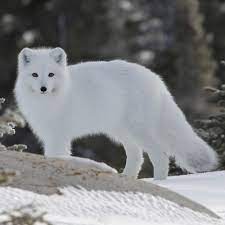
Arctic Fox | Tundra AnimalsAnimals That Live in the Tundra - WorldAtlas Polar bear - Wikipedia

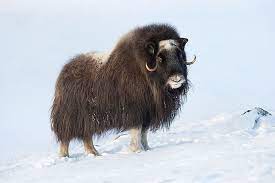
Arctic Owl, Arctic Goat, Arctic Wolf, Musk Ox, Polar Bear.


Task Description: Greetings Bloggers, this science tasks gives information about the Tundra Biome. This is not the only Biome that will be posted on my blog so lookout for more. For now this task is suppose to give a glimpse of what animals live in this winter cold Biome. I will be posting more about these fascinating creatures and what Biome they live in. I hope you will be interested in reading this blog post, and if you do don't forget to leave a positive comment on my blog.

Thursday, 28 October 2021

Topic - Science Introduction

 Gases:Matter: Definition & the Five States of Matter | Live ScienceStates of Matter: Facts (Science Trek: Idaho Public Television)Gas - Wikipedia


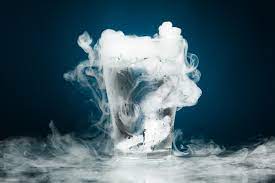
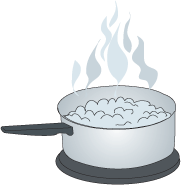
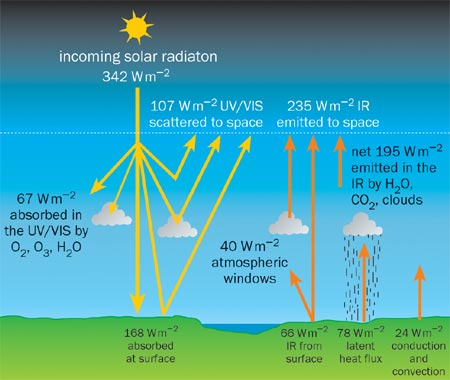
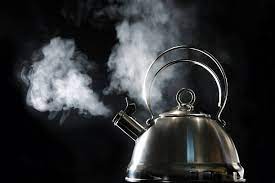
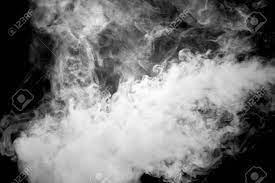
What Is the Difference Between Steam and Smoke?The climatic effects of water vapour – Physics WorldWhat Is In The Vapour Produced By E-Cigarettes? - V2 Vaping UK7,588 Kettle Steam Stock Photos, Pictures & Royalty-Free Images - iStockSmoke Steam On A Black Background Stock Photo, Picture And Royalty Free  Image. Image 79973296.Water vapour - Energy EducationThe Best Vape Pen For Clouds & Cloud Chasing - Vaper Empire



Greenhouse gases: Overview, Carbon Dioxide, Methane, Nitrous Oxide, Fluorinated Gases.


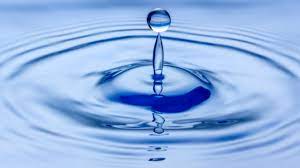
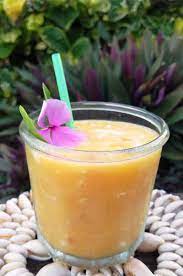
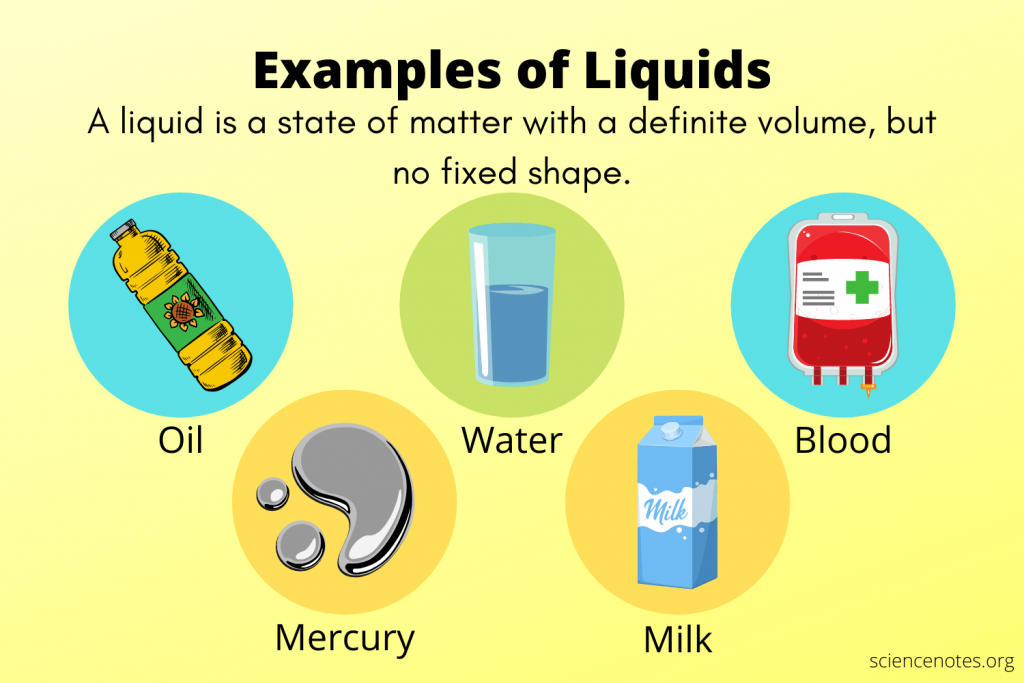
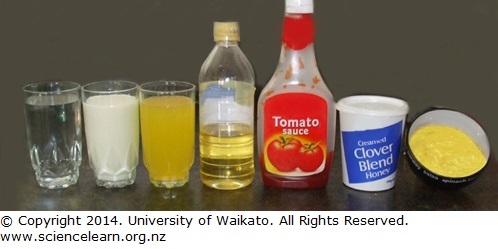
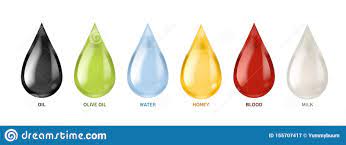
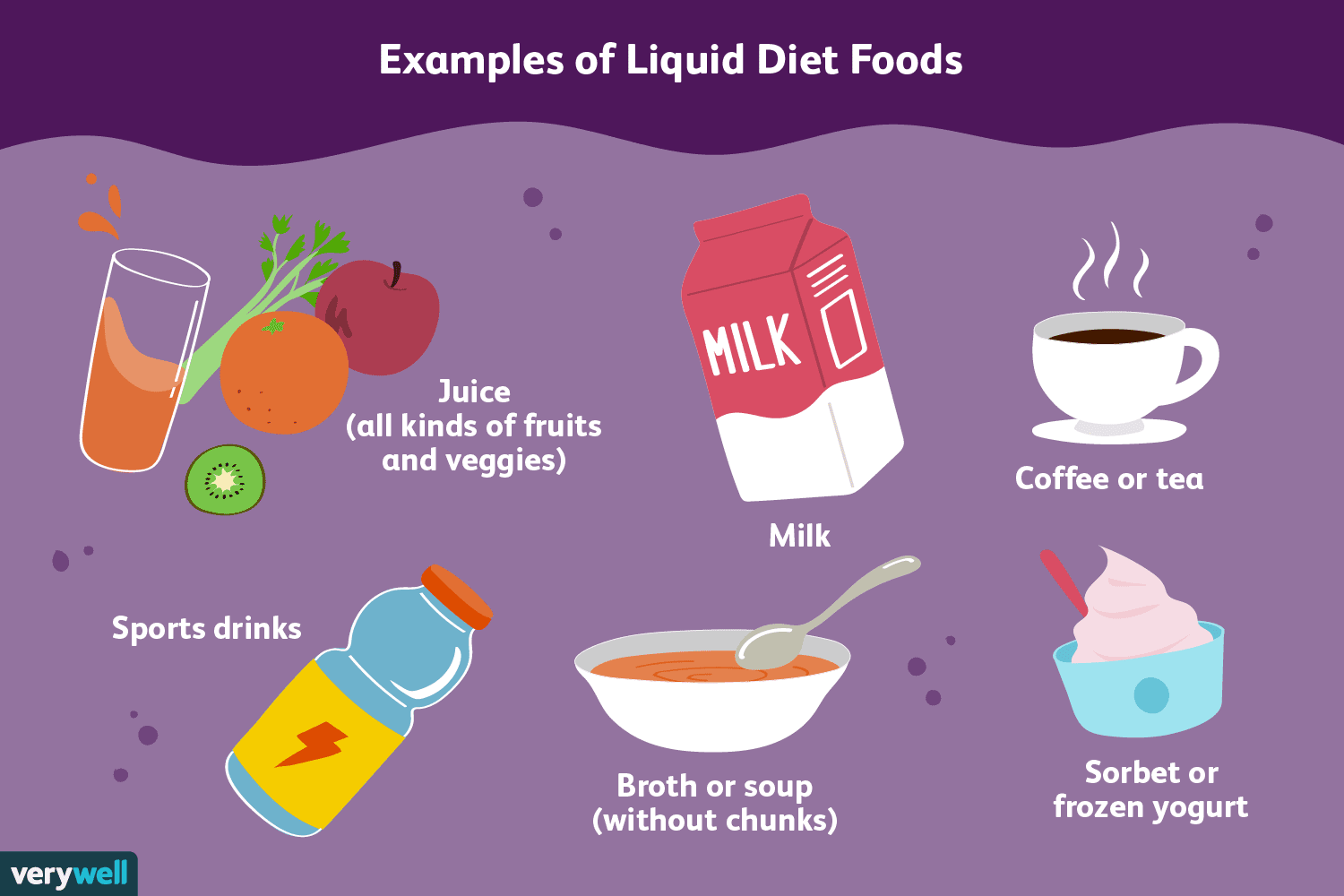
Liquids:Cutting back sugar from juices, startup seeks to tackle oversweetness | The  Times of IsraelLiquid Definition in ChemistryProperties of Matter: Liquids | Live ScienceMango Otai Recipe Mango Otai Recipe | Polynesia.comNo Hot Water Wellington Lower Hutt Valley PoriruaLiquid Definition - Examples of LiquidsPhysicists shed new light on how liquids behave with other materialsDifferent liquids — Science Learning HubDifferent Liquids Stock Illustrations – 347 Different Liquids Stock  Illustrations, Vectors & Clipart - DreamstimeMeleni Otai | Watermelon drink | TasteoftheSouthPacific - YouTubeFull Liquid Diet: Benefits and How It Works


Liquid Types: Water, Oil, Olive Oil, Honey, Blood, Milk.


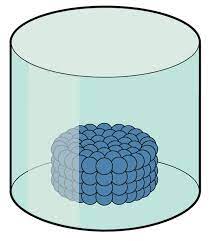
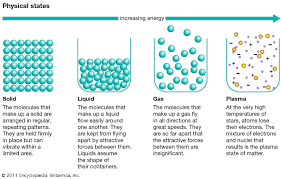
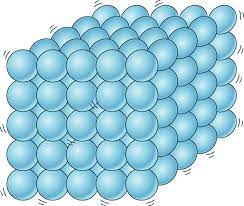
Solids:States of Matter for Kids | States of Matter | DK Find OutThe SOLID Principles of Object-Oriented Programming Explained in Plain  EnglishComparing Solids, Second Grade Reading Passagesolid | Definition & Facts | BritannicaSOLID Principles — Simplified with Illustrations | by Animesh Gaitonde |  Level Up CodingFile:Solid.png - Wikimedia CommonsParticle Model of Solids, Liquids and Gases | ChemstuffWhat are Solids | Facts About Solids | DK Find OutStates of Matter: Facts (Science Trek: Idaho Public Television)
Solids, Liquids, and Gases Quiz For Kids | DK Find Out
Task Description: Greetings Bloggers, today's Science project is about Solids, Liquids and Gases. The Project talks about how each state of matter is everything we use and need. For example we need water and water is a type of liquid. When it's freezing cold water can turn into ice and ice is a type of solid. When ice is near the burning hot son it turns into water again but then the water can evaporate by the cause of the heat of the son and it becomes smoke which is a type of gas.
I hope you enjoy today's blog post and if you do don't be shy to leave a positive comment on my blog.